
Rules for the 2027 piano competition
International Piano Competition open to young pianists born after 1 January 2007
Dates of the competition
The Hélène de Montgeroult international Piano Competition will take place on 13 and 14 November 2027.
Regulations
The competition
Le concours est ouvert aux pianistes de toutes nationalités.
Pour les candidat·e·s mineur·e·s, l’inscription doit être accompagnée d’un accord du/de la
représentant·e légal·e.
Le concours comporte 4 degrés selon l’âge des pianistes.
Dans chaque degré, la candidate ou le candidat interprétera, dans l’ordre de son
choix, un programme comprenant une étude imposée d’Hélène de Montgeroult (deux études pour le degré 2) et au moins deux
pièces de styles et d’époques différents.
Les candidat·e·s respecteront strictement les minutages prescrits pour chaque degré, y compris
les pauses. Il est fortement recommandé mais pas obligatoire de jouer par coeur.
Le nombre total de candidats est limité à 40. En principe, 10 par catégorie.
Une préselection sera effectuée sur vidéo.
En même temps que leur inscription, les candidats enverront un enregistrement vidéo récent. Cette vidéo peut être simplement réalisée au
moyen d’un téléphone portable.
Le programme est libre. Les pièces enregistrées peuvent être jouées au
concours.
La durée de cet enregistrement est précisée pour chaque degré.
Ces videos seront transmises par Swisstransfer ou WeTransfer. Les liens
sont à indiquer dans le bulletin d’inscription.
Il est autorisé d’envoyer une vidéo plus longue qu’indiqué ou une vidéo de divers extraits!
Les résultats de la présélection seront communiqués aux candidat·e·s au plus tard le 20
juin 2027
Art. 2 Programme
Level 1 : ce degré s’adresse aux pianistes nés dès le 1er janvier 2015.
Étude n° 8 en Do maj. « Pour mesurer les valeurs sur une batterie par trois »
Le minutage total doit être compris entre 5 et 9 minutes.
Vidéo : programme libre . Durée 2-3’
Level 2 : ce degré s’adresse aux pianistes nés entre le 1er janvier 2012 et le 31 décembre 2014
Deux études : étude n° 22 en La maj. « Pour que la basse accompagne par des tems coupés »(édition en cours) et étude n° 35 en do min. « Sur les tems coupés »
Le minutage total doit être compris entre 7 et 12 minutes.
Vidéo : programme libre . Durée 2-3’
Level 3 : ce degré s’adresse aux pianistes nés entre le 1er janvier 2010 et le 31 décembre 2011.
Étude n°104 en sol# min « Pour la difficulté du ton dans un mouvement agité»
Le minutage total doit être compris entre 9 et 14 minutes.
Vidéo : programme libre . Durée 3-5’
Degré 4 : ce degré s’adresse aux pianistes nés entre le 1er janvier 2007 et le 31 décembre 2009.
Étude n° 114 en fa min. « Pour l’emploi des pédales »
Le minutage total doit être compris entre 12 et 18 minutes.
Vidéo : programme libre . Durée 3-5’
Il est à noter que l’organisateur ne peut pas accepter les œuvres pour piano préparé
Les partitions des études imposées sont disponibles aux Editions Modulation. Les candidats résidant en Suisse peuvent s’adresser au secrétariat du Concours (utiliser le formulaire de contact) qui les leur fera parvenir avec un bulletin de versement.
Full rules here
Registration fee
The registration fees are fixed as follows:
Level 1 40 CHF
Level 2 50 CHF
Level 3 60 CHF
Level 4 70 CHF
The registration fee will only be refunded if the competition or a grade is cancelled by the organiser. In all other cases, it is due.
Banque cantonale de Fribourg
IBAN: CH92 0076 8300 1638 5100 1
SWIFT/BIC: BEFRCH22
Clearing : 768
CCP: 17-49-3
Concours Hélène de Montgeroult-de Nervo
1680 Romont
Awards
Level 1
First prize : 200 CHF
Second prize : 100 CHF
Troisième prix : 50 CHF
Prix Dénervaud : 50CHF
Level 2
First prize : 300 CHF
Deuxième prix : 150CHF
Third prize : 100 CHF
Prix Dénervaud : 100CHF
Level 3
First prize : 400 CHF
Deuxième prix : 200CHF
Third prize : 150 CHF
Prix Dénervaud : 150CHF
Level 4
First prize : 500 CHF
Deuxième prix : 250CHF
Third prize : 200 CHF
Prix Dénervaud : 200CHF
Special prizes
Prix Dénervaud :
décerné à la meilleure interprétation de l’étude imposée
Jury
Brigitte Meyer
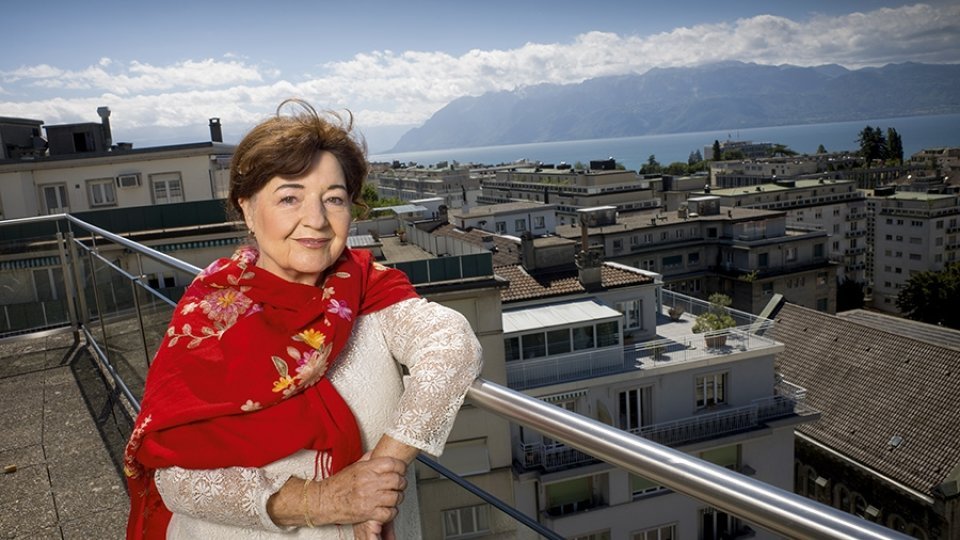
Brigitte Meyer, a Swiss pianist, sees music as a spiritual dialogue and a rite of communion between human beings. Her natural musicality and deep conviction enable her to reveal the hidden meaning of the works she performs.
Born in Biel, she began giving concerts at the age of 11. She studied brilliantly with Denise Bidal in Lausanne and then with Bruno Seidlhofer at the Vienna Academy of Music, where she was awarded the Reifeprüfung and the Bösendörfer Prize in 1971. In 1975, she was first runner-up in the Clara Haskil Competition in Vevey. She has taken part in numerous international festivals and performed in prestigious venues throughout Europe, North and South America, the Middle East and Japan. She collaborates with many renowned conductors and musicians, and her vast repertoire ranges from Bach to contemporary music.
In addition to her performances, she also teaches at conservatoires and gives masterclasses throughout the world. Her remarkable recordings include Mozart concertos, Beethoven sonatas and the complete piano works of Mendelssohn.
Serguei Milstein
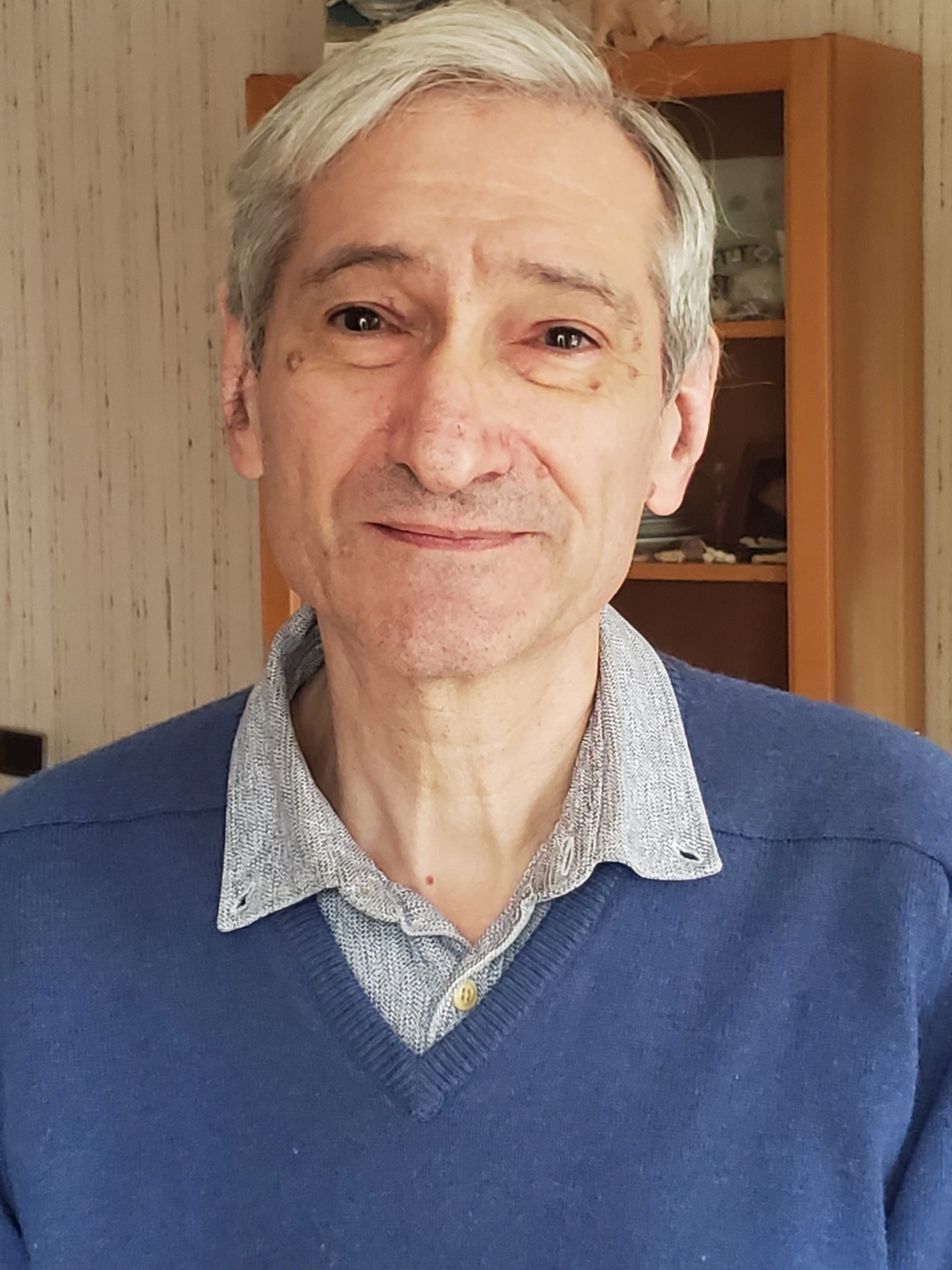
Born in Moscow to musician parents, Serguei Milstein began learning the piano at the age of five and, two years later, enrolled at the Moscow Central Music School in Anaïda Soumbatian’s class.
In 1977, he joined his father, Yakov Milstein’s, class at the Tchaikovsky Conservatoire.
A prize-winner at international piano competitions such as ‘Prague Spring’, the ‘Viotti’ in Vercelli and the ‘International Music Competition’ in Rome, he went on to pursue a career as a soloist that took him all over Europe, to the United States and to Japan (where he served as a visiting professor of piano at Kobe College from 2003 to 2006).
He can be heard, amongst others, at the ‘Prague Spring’ and ‘Moravian Autumn’ international festivals, as well as at La Roque d’Anthéron and La Folle Journée in Nantes.
Since 2016, Serguei Milstein has been one of the artistic directors of the ‘Musique de chambre aux Monts d’Or’ festival.
Serguei Milstein has been teaching the piano at the Geneva Conservatoire of Music since 2008. He regularly gives masterclasses in France, Italy and Japan.
Sviatoslav Richter regarded Sergei Milstein as “a serious, thoughtful musician, a talented pianist and a man of profound erudition”, whilst the press hailed him as “a pianist with a dazzling and visionary style who has given us one of those rare moments of musical bliss that every discerning music-lover can hope to experience a few times in their life”.
Bénédicte Harlé
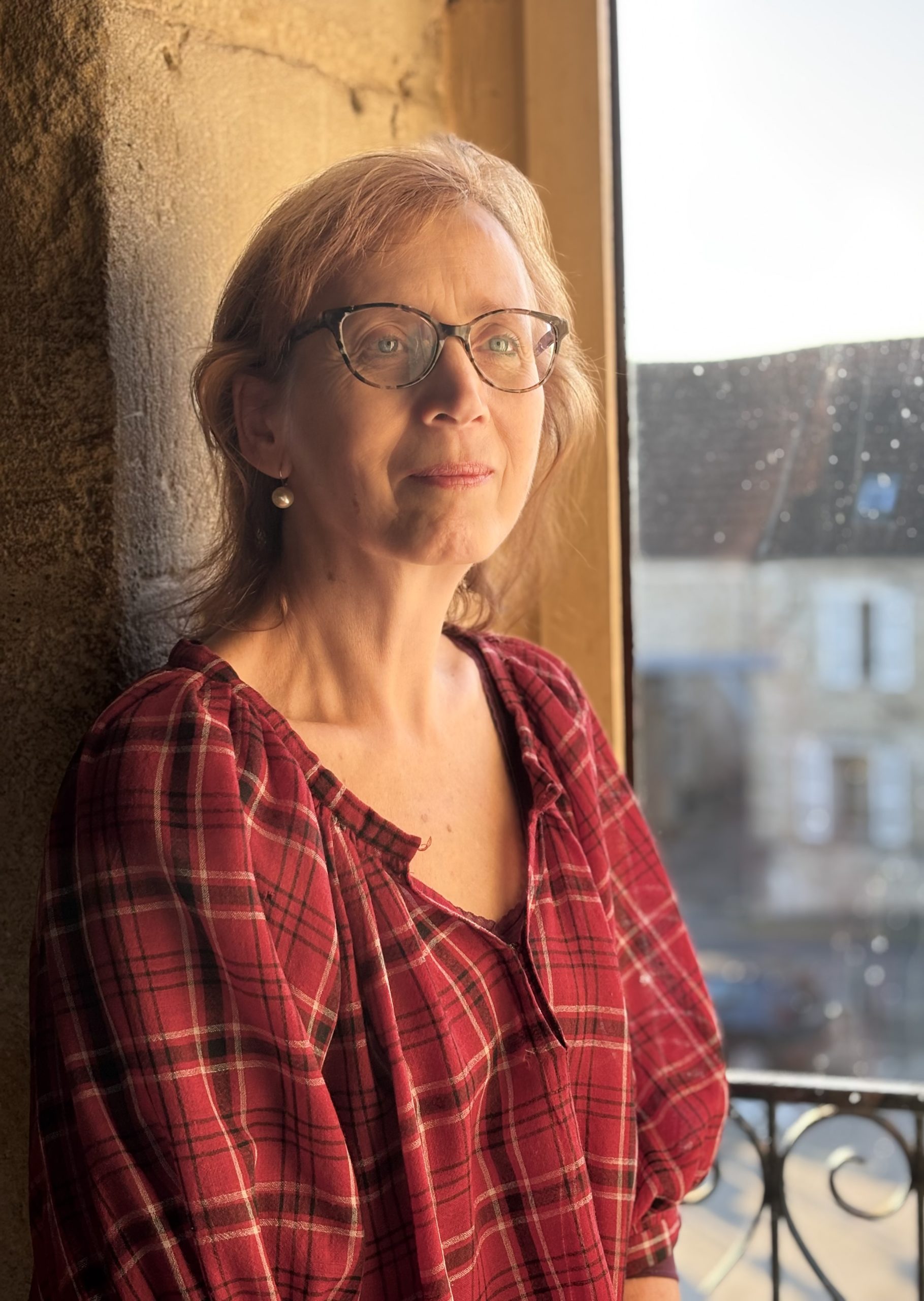
Bénédicte Harlé, a French pianist, studied at the CNSMD in Paris.
She graduated with honours in piano, chamber music and vocal accompaniment, and went on to further her studies with Daria Hovora in piano and with Walter Moore at the Royaumont Abbey Training Centre.
Since 1996, she has performed the opera, Lied and art song repertoire in her role as a piano accompanist and vocal coach at the CNSMD in Paris.
She devotes herself with equal passion to chamber music in various instrumental ensembles and performs in France, Switzerland, Germany and Japan.
Well-versed in early music, she discovered the life and work of Hélène de Montgeroult with great interest through the writings of the musicologist Jérôme Dorival.
In 2023, she recorded a CD entitled ‘Le salon d’Hélène de Montgeroult’ on an 1800 Clementi piano, released by Modulations.
Together with Thierry Vorgers, she devised a concert-reading entitled "Hélène de Montgeroult – André Chénier", which they performed for "L’Art de la fugue" in Fresnes, "Les amis d’Hélène de Montgeroult", "Clavecin en France" and as part of Women’s Day at Royaumont Abbey in March 2020.
Marco Rapetti
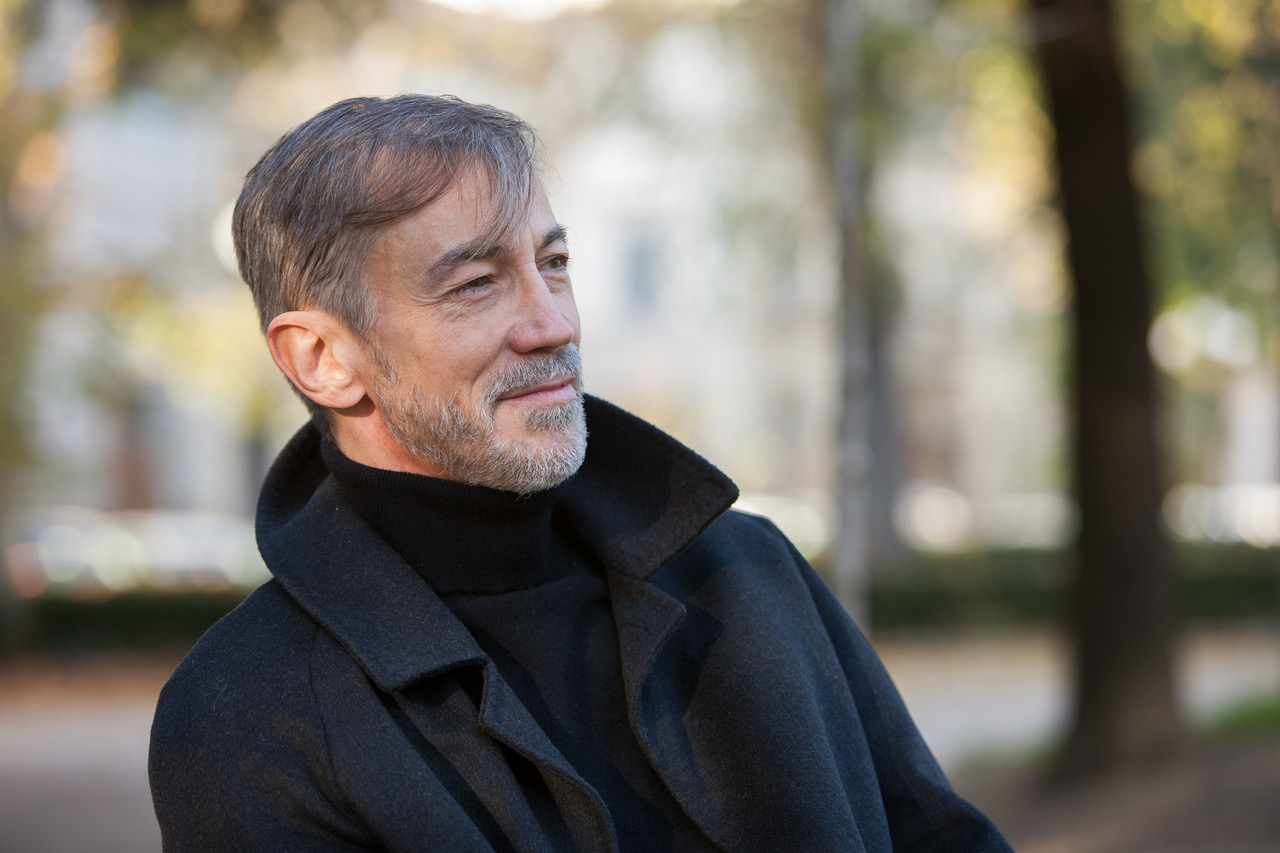
Marco Rapetti completed his musical studies at the Genoa Conservatoire, the Juilliard School in New York (Master’s and Doctorate in piano, MM – DMA) and the University of Florence (Doctorate in musicology).
A pupil of Aldo Ciccolini and Seymour Lipkin, he has won numerous national and international competitions.
He has performed at major festivals both as a soloist and as a chamber musician in Europe, America, Australia and Japan.
Rapetti has recorded for Fonit-Cetra, Dynamic, Stradivarius, Phoenix, Frame, Naxos and Brilliant, often featuring rare composers and works, particularly from the French and Slavic repertoires (including complete recordings of the works of Dukas, Debussy, Borodin, Liadov and Cui). He is the author of musicological articles and the book Skrjabin e il Suono-Luce (Florence University Press, 2018).
He teaches piano and the history of the piano repertoire at the Florence Conservatoire. He conceived and organised the first Italian conference dedicated to Hélène de Montgeroult, which took place in Florence on 10 and 11 April 2026.
Where will the competition take place?
The competition will take place in Romont (Fribourg) in Switzerland. This town, located south-west of Fribourg on the Geneva-Zurich SBB line, was developed around a 13th century castle. It is also home to a Gothic collegiate church with important contemporary stained glass windows, the remains of the medieval wall, and the Vitromusée, musée suisse consacré au vitrail et aux arts du verre. Les épreuves du concours auront lieu au BicubicThis cultural and sports centre, built in 2005, has a 450-seat auditorium equipped with an excellent concert grand piano Steinway.
Why host a piano competition for young people?
- To play the work of Hélène de Montgeroult (1764-1836). Her Études address many aspects of piano playing in pages of great artistic value. We wish to make them known to as many people as possible and encourage teachers to include them in their students' programmes.
- discover her music
- Pour encourager la pratique de la musique classique en général et du piano en particulier. Les concours destinés aux jeunes pianistes stimulent la pratique instrumentale des élèves et les font progresser.
- Pour donner l’occasion aux jeunes musiciens de se confronter à leurs pairs dans une saine émulation.
- Pour que les jeunes pianistes aient l’occasion de recevoir un avis extérieur. Les candidates et les candidats reçoivent un commentaire écrit sur leur prestation pour les éclairer sur la suite de leur parcours.


